Scrape nutritional information from MyFitnessPal
Introduction
The growing focus on health-conscious lifestyles has significantly increased the demand for accurate nutritional intelligence across food categories. Consumers, nutritionists, food manufacturers, fitness platforms, and healthcare providers increasingly rely on comprehensive food databases to evaluate calorie content, macronutrients, micronutrients, serving sizes, and ingredient quality. As digital nutrition platforms continue to expand, businesses require scalable methods to collect, organize, and analyze food-related information for research and product development.
Organizations increasingly boldly scrape nutritional information from MyFitnessPal to build structured nutrition datasets that support dietary analysis, personalized meal recommendations, competitive benchmarking, and AI-driven wellness applications. Likewise, Web Scraping MyFitnessPal Menu Data for Nutritional Insights enables researchers to compare thousands of food items across brands, restaurants, packaged products, and homemade recipes while identifying changing nutritional trends over time.
This report explores comparative nutritional research across multiple food categories using large-scale data extraction techniques. It highlights historical growth patterns, evolving consumer preferences, technological advancements, and future opportunities between 2020 and 2026. The report also demonstrates how structured nutritional datasets help organizations improve decision-making, optimize product portfolios, strengthen health analytics, and develop next-generation nutrition intelligence platforms.
Tracking Nutrition Trends Across Diverse Food Categories
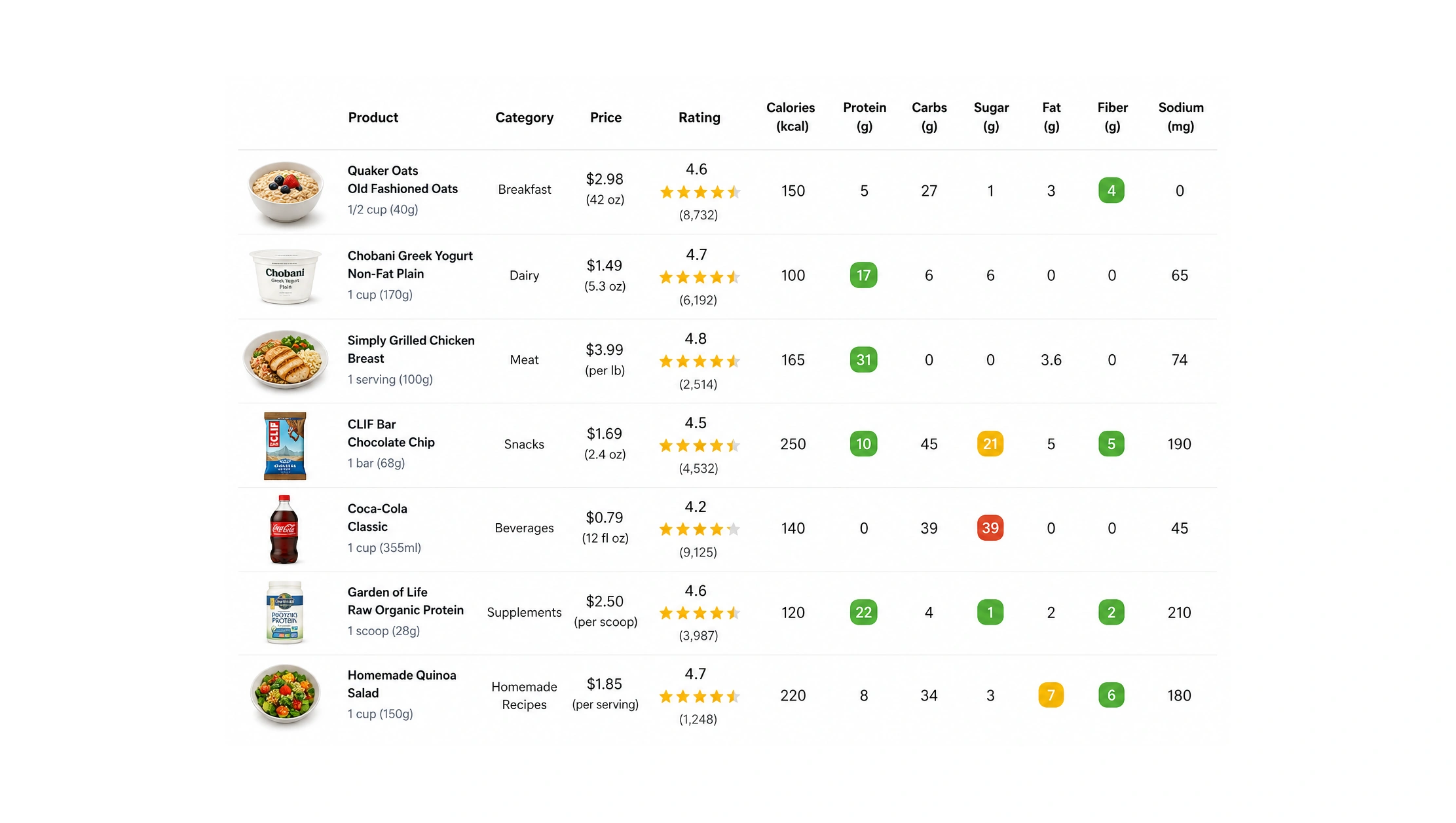
Consumer nutrition research has become increasingly data-driven as millions of users log meals and compare food choices every day. Digital food databases now contain extensive nutritional profiles for packaged foods, restaurant meals, beverages, dietary supplements, and homemade recipes. Businesses leverage these datasets to evaluate nutritional quality, identify healthier alternatives, monitor ingredient changes, and benchmark competing brands.
Using MyFitnessPal nutrition data extraction, researchers can organize nutritional information into structured datasets that simplify comparisons across thousands of food products. Many organizations also scrape nutritional information from MyFitnessPal to monitor serving sizes, calorie density, sugar content, protein levels, sodium concentration, fiber values, and fat composition across numerous food categories.
Key Industry DevelopmentsGrowing demand for healthier food alternatives
Expansion of plant-based and functional food categories
Increased transparency in nutrition labeling
AI-powered dietary recommendation systems
Data-driven product benchmarking
Personalized nutrition becoming mainstream
Global Digital Nutrition Platform Growth (2020–2026)
Projected values.
The steady expansion of nutrition databases has enabled businesses to compare foods across categories with greater precision. Food manufacturers utilize nutritional benchmarking to reformulate products while restaurants evaluate menu competitiveness. Healthcare providers also analyze dietary trends to support disease prevention initiatives. As nutrition intelligence becomes increasingly automated, organizations gain deeper visibility into evolving food composition, consumer preferences, and health-focused purchasing behavior.
Benchmarking Calories Across Food Service Channels
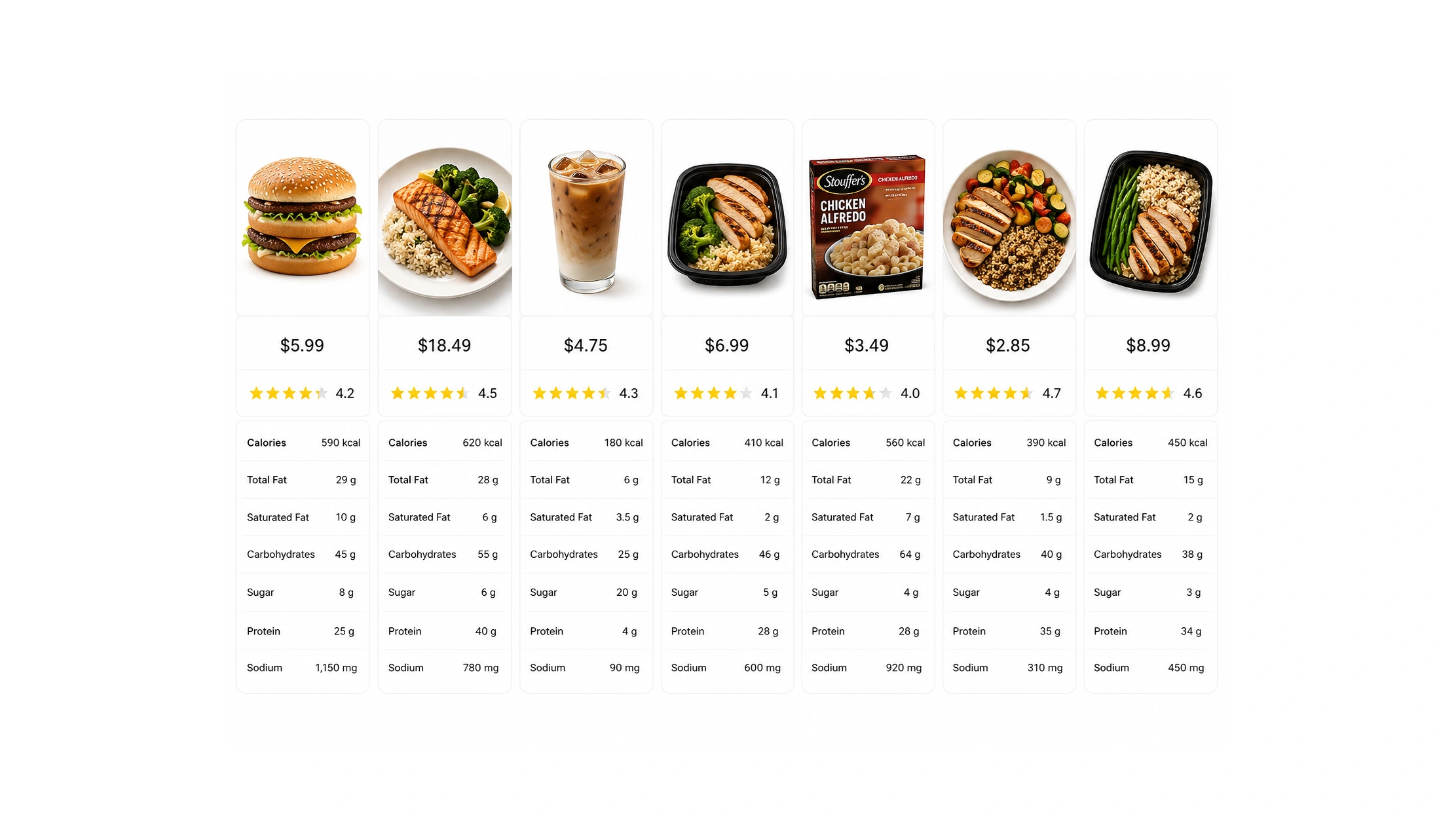
Comparing nutritional values between restaurant meals, packaged products, and homemade recipes provides valuable insights into changing dietary habits. Restaurant menus frequently evolve through seasonal offerings, recipe modifications, and portion adjustments, making continuous monitoring essential for nutrition research.
Organizations increasingly rely on Web Scraping calorie information MyFitnessPal & Restaurant Sites to compare calorie counts, ingredient compositions, serving sizes, sodium levels, sugar content, and macronutrient distributions across multiple food service providers. These comparisons support menu optimization, competitive analysis, regulatory compliance, and consumer transparency initiatives.
Primary Comparison AreasFast-food chains
Casual dining restaurants
Coffee shop menus
Grocery ready-to-eat meals
Frozen packaged foods
Homemade recipes
Health-focused meal services
Projected values.
Large-scale nutritional benchmarking enables businesses to detect calorie inconsistencies, identify healthier alternatives, and evaluate ingredient quality across competing food brands. These insights improve nutrition labeling, support wellness applications, strengthen public health research, and enhance AI-powered dietary recommendation engines. As food choices continue to diversify globally, comprehensive nutritional comparisons will remain essential for organizations seeking evidence-based health intelligence and long-term competitive advantage.
Enhancing Food Intelligence with Structured Nutrition Data
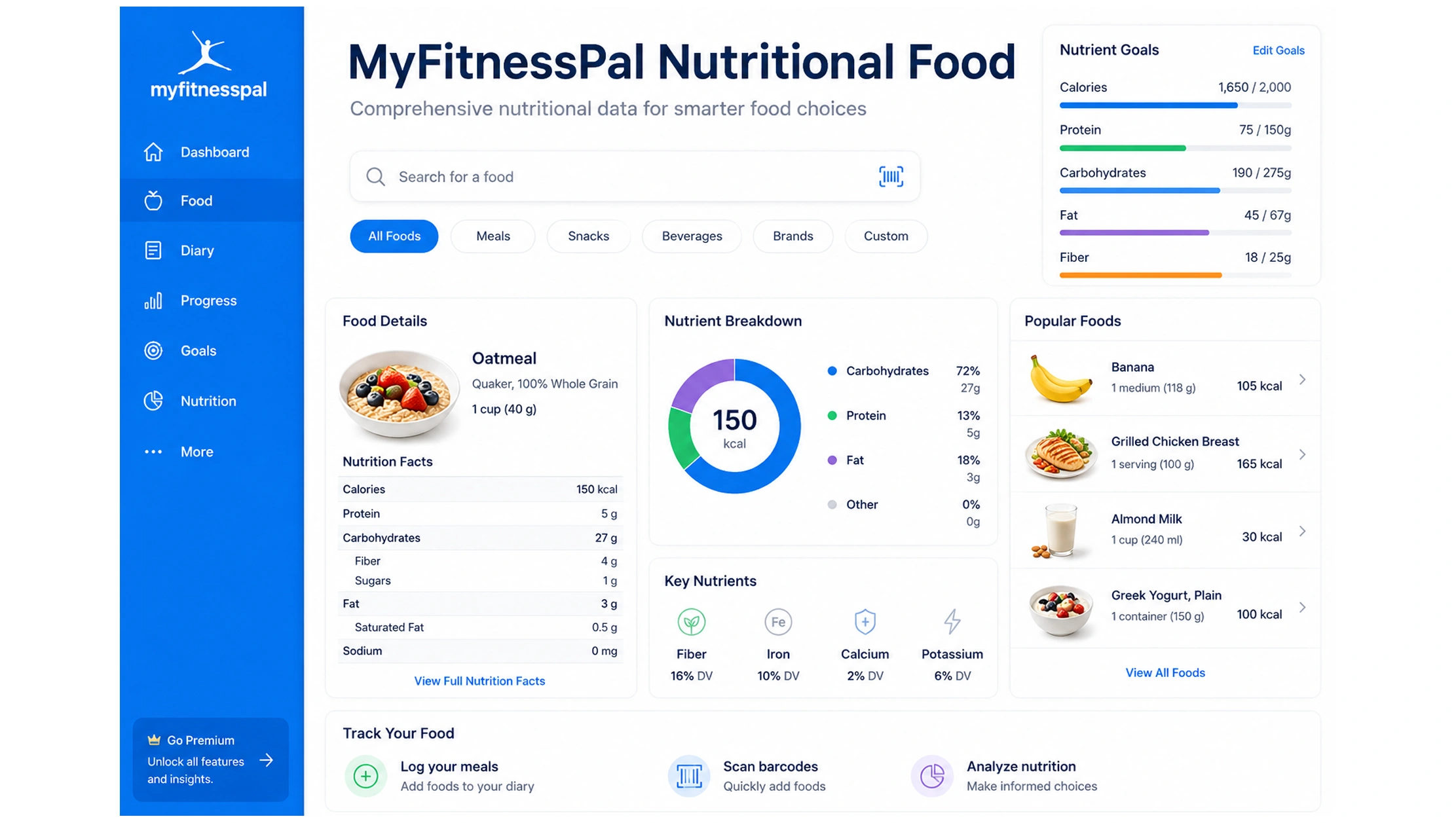
Accurate food intelligence depends on collecting standardized nutritional information from diverse food categories and organizing it into structured datasets. As global food inventories continue to expand, businesses require reliable methods to classify products based on calories, protein, carbohydrates, fats, vitamins, minerals, allergens, serving sizes, and ingredient composition. Consistent nutritional datasets enable organizations to benchmark competing products, improve dietary recommendations, and develop advanced food analytics platforms.
Organizations increasingly rely on a MyFitnessPal nutritional food data scraper to automate the collection of nutritional attributes from extensive food databases. Structured datasets support AI-powered meal planning, nutrition scoring, product comparison, recipe analysis, and personalized health applications. Food manufacturers also use these datasets to evaluate reformulated products against competitors while identifying opportunities to improve nutritional profiles.
Major ApplicationsFood category benchmarking
Personalized nutrition planning
Product reformulation analysis
AI-powered dietary recommendations
Clinical nutrition research
Consumer wellness applications
Projected values.
Modern nutrition intelligence platforms combine structured food datasets with machine learning to generate personalized dietary recommendations and predictive health insights. Businesses benefit from improved product benchmarking, while healthcare organizations gain access to richer nutritional information for preventive care programs. As food databases become increasingly comprehensive, structured nutritional intelligence will continue driving innovation across health, wellness, retail, and food technology sectors.
Improving Dietary Analysis Through Rich Food Attributes
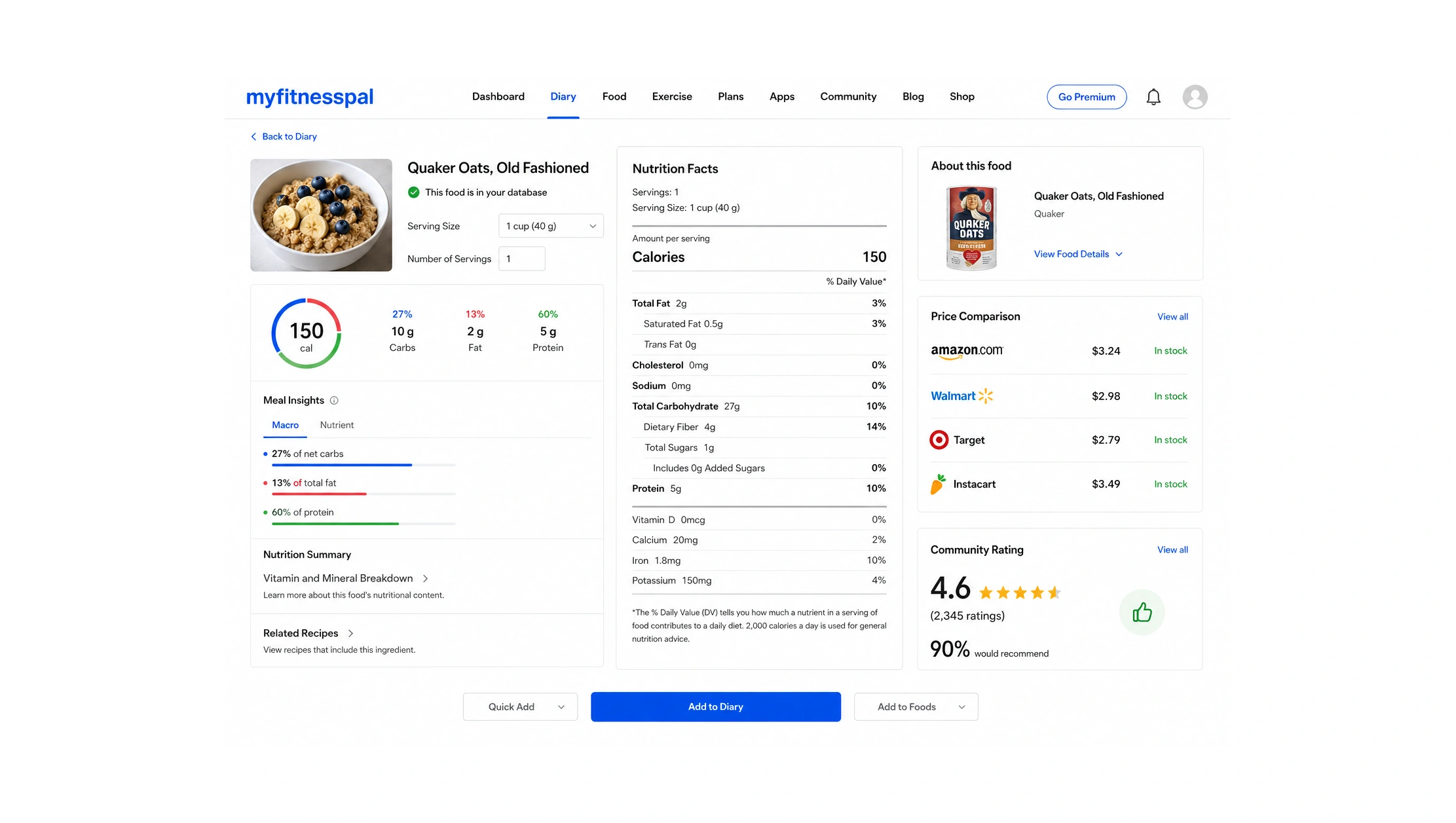
Comprehensive nutritional analysis extends beyond calorie counts to include macronutrients, micronutrients, ingredient quality, dietary fiber, cholesterol, sodium, added sugars, vitamins, minerals, and allergen information. Detailed food attributes allow researchers to compare nutritional quality across brands, cuisines, and meal types while identifying dietary patterns among different consumer groups.
Businesses increasingly leverage Nutritional values data scraping from MyFitnessPal to collect consistent food attributes for nutrition research and commercial analytics. Rich datasets improve meal planning applications, public health initiatives, fitness coaching platforms, and food recommendation systems by providing complete nutritional profiles for millions of products and recipes.
Benefits of Comprehensive Nutritional AnalysisBetter dietary quality assessment
Improved food labeling validation
Enhanced product comparison
Stronger health risk analysis
Personalized meal optimization
Consumer education initiatives
Projected values.
Detailed nutritional attributes allow organizations to identify healthier food alternatives, detect ingredient changes, and compare nutritional quality across competing products. These insights strengthen consumer transparency, improve health outcomes, and enable AI-driven dietary coaching systems capable of delivering more accurate and personalized nutrition recommendations.
Building Scalable Nutrition Intelligence Platforms
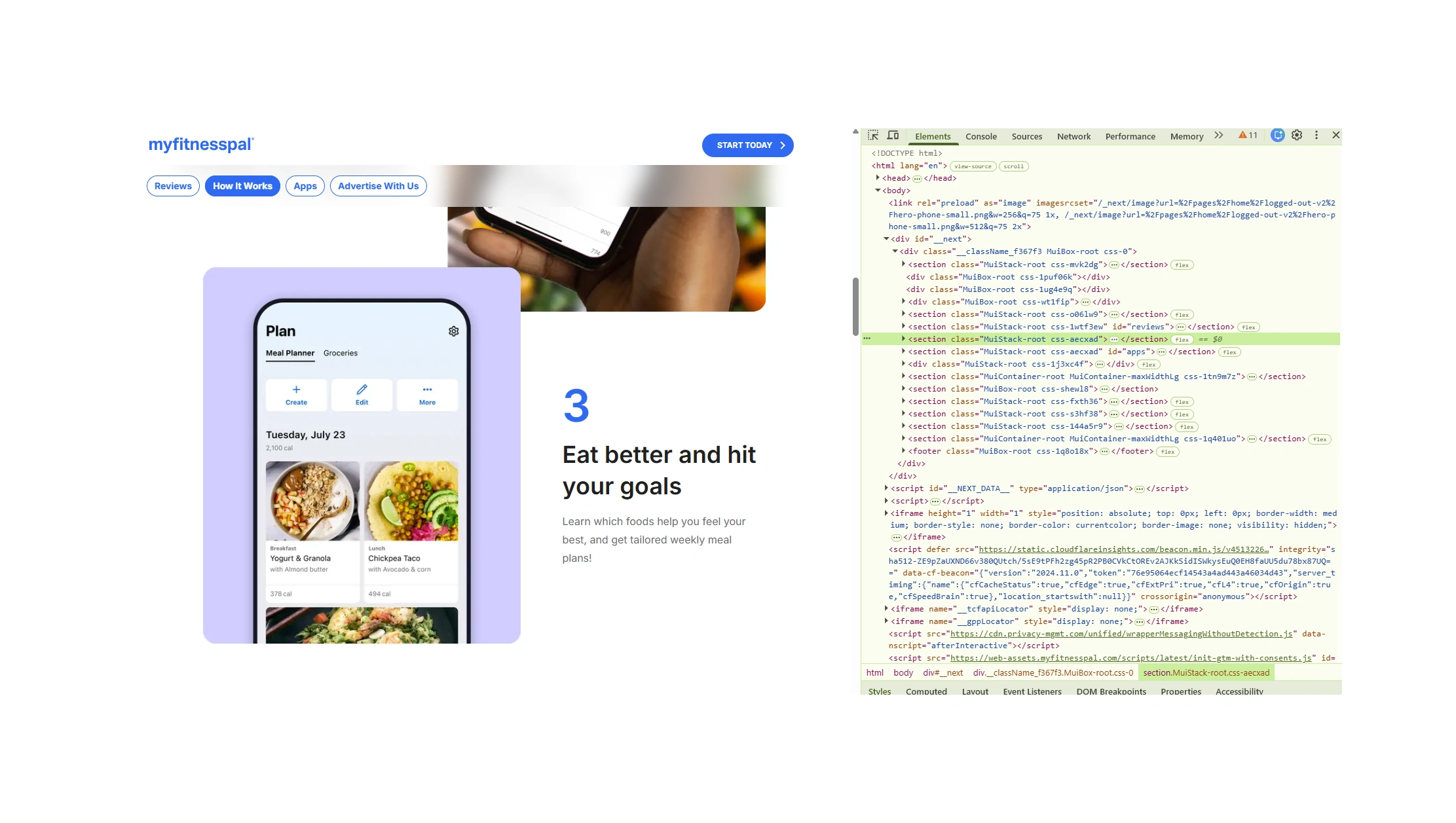
As nutrition databases expand into millions of food records, organizations require scalable infrastructure to automate data collection, validation, and integration across multiple health and wellness platforms. Modern nutrition intelligence systems combine web scraping, APIs, artificial intelligence, and cloud analytics to continuously maintain accurate food databases while supporting advanced analytical workflows.
Many organizations integrate the MyFitnessPal API with automated pipelines that also scrape nutritional information from MyFitnessPal to enrich food datasets, validate nutritional values, and monitor newly added products. Combining API-based access with structured extraction workflows helps businesses maintain comprehensive nutrition databases while supporting market research, digital health platforms, and AI-powered dietary applications.
Strategic Business AdvantagesContinuous nutrition database updates
Cross-platform data integration
Automated food classification
AI-enhanced recommendation engines
Scalable cloud-based analytics
Faster nutrition research
Enterprise Nutrition Platform Adoption (2020–2026)
Projected values.
Scalable nutrition intelligence platforms empower businesses to analyze food trends faster, deliver personalized dietary insights, and improve competitive benchmarking. As AI adoption accelerates across healthcare and food technology, integrated nutrition ecosystems will become increasingly important for supporting data-driven innovation, regulatory compliance, and consumer wellness solutions.
Unlocking Long-Term Value from Comprehensive Food Intelligence

Comprehensive food datasets have become one of the most valuable assets for organizations operating in digital health, food technology, retail analytics, clinical nutrition, and wellness platforms. As food products, restaurant menus, and consumer dietary habits continue to evolve, businesses need centralized repositories that provide accurate, searchable, and standardized nutritional information. High-quality datasets enable researchers to evaluate long-term nutrition trends, compare regional food availability, identify emerging health preferences, and build predictive analytics models for future dietary behavior.
Organizations increasingly rely on MyFitnessPal Datasets to support nutritional benchmarking, machine learning models, consumer behavior analysis, recipe recommendation systems, and food composition research. These datasets bring together millions of food records with detailed nutritional attributes, making them valuable for both commercial and academic applications.
Key Business ApplicationsAI-powered nutrition assistants
Clinical dietary research
Food recommendation engines
Restaurant menu intelligence
Retail product benchmarking
Consumer health analytics
Population nutrition studies
Growth of Nutrition Dataset Utilization (2020–2026)
Projected values.
The growing availability of standardized nutritional datasets enables organizations to improve research quality, enhance AI model accuracy, and accelerate innovation in health technology. By continuously updating food intelligence repositories, businesses can respond quickly to changing dietary preferences, regulatory requirements, and evolving consumer expectations while creating data-driven nutrition solutions for global markets.
Real Data API delivers scalable, accurate, and enterprise-grade nutrition data extraction solutions that help businesses transform food information into actionable intelligence. Whether organizations are developing digital health platforms, nutrition research databases, AI-powered wellness applications, or competitive food analytics systems, our expertise ensures reliable and structured data collection at scale.
Our advanced Web Scraping API automates the extraction of nutritional attributes, food descriptions, ingredient lists, serving sizes, calorie information, and product metadata from trusted online sources. Businesses can also scrape nutritional information from MyFitnessPal through customized data pipelines designed for high accuracy, continuous updates, and seamless integration into existing analytics ecosystems.
Real Data API emphasizes:Large-scale automated data collection
High-quality structured nutrition datasets
Flexible API integration
AI-ready data formatting
Continuous monitoring and validation
Secure, scalable enterprise solutions
Custom dashboards and analytics support
Our solutions help organizations reduce manual effort, improve research efficiency, and gain comprehensive nutritional insights that support smarter business decisions and innovative health technologies.
Conclusion
Nutrition intelligence is becoming a strategic asset across healthcare, food manufacturing, retail, fitness, and digital wellness industries. The increasing volume of food products, evolving consumer preferences, and growing emphasis on personalized health require organizations to build reliable, continuously updated nutritional databases. Comparative analysis across food categories enables businesses to benchmark products, evaluate dietary quality, optimize menu offerings, and strengthen AI-powered recommendation systems.
By leveraging advanced data extraction technologies, organizations can scrape nutritional information from MyFitnessPal efficiently, transforming raw food information into structured datasets that support predictive analytics, consumer research, regulatory compliance, and product innovation. As nutrition science and digital health continue to evolve, high-quality food intelligence will remain essential for organizations seeking long-term competitive advantage.
Ready to unlock comprehensive nutritional intelligence for your business? Partner with Real Data API to build scalable, accurate, and AI-ready nutrition datasets that power smarter research, better products, and data-driven decision-making!
Contact Us :
Email: sales@realdataapi.com
Phn No: +1 424 3777584
Visit Now: https://www.realdataapi.com/
#ScrapeNutritionalInformationFromMyFitnessPal
#MyFitnessPalNutritionDataExtraction
#WebScrapingCalorieInformationMyFitnessPalAndRestaurantSites
#MyFitnessPalNutritionalFoodDataScraper
#NutritionalValuesDataScrapingFromMyFitnessPal


Comments
Post a Comment